
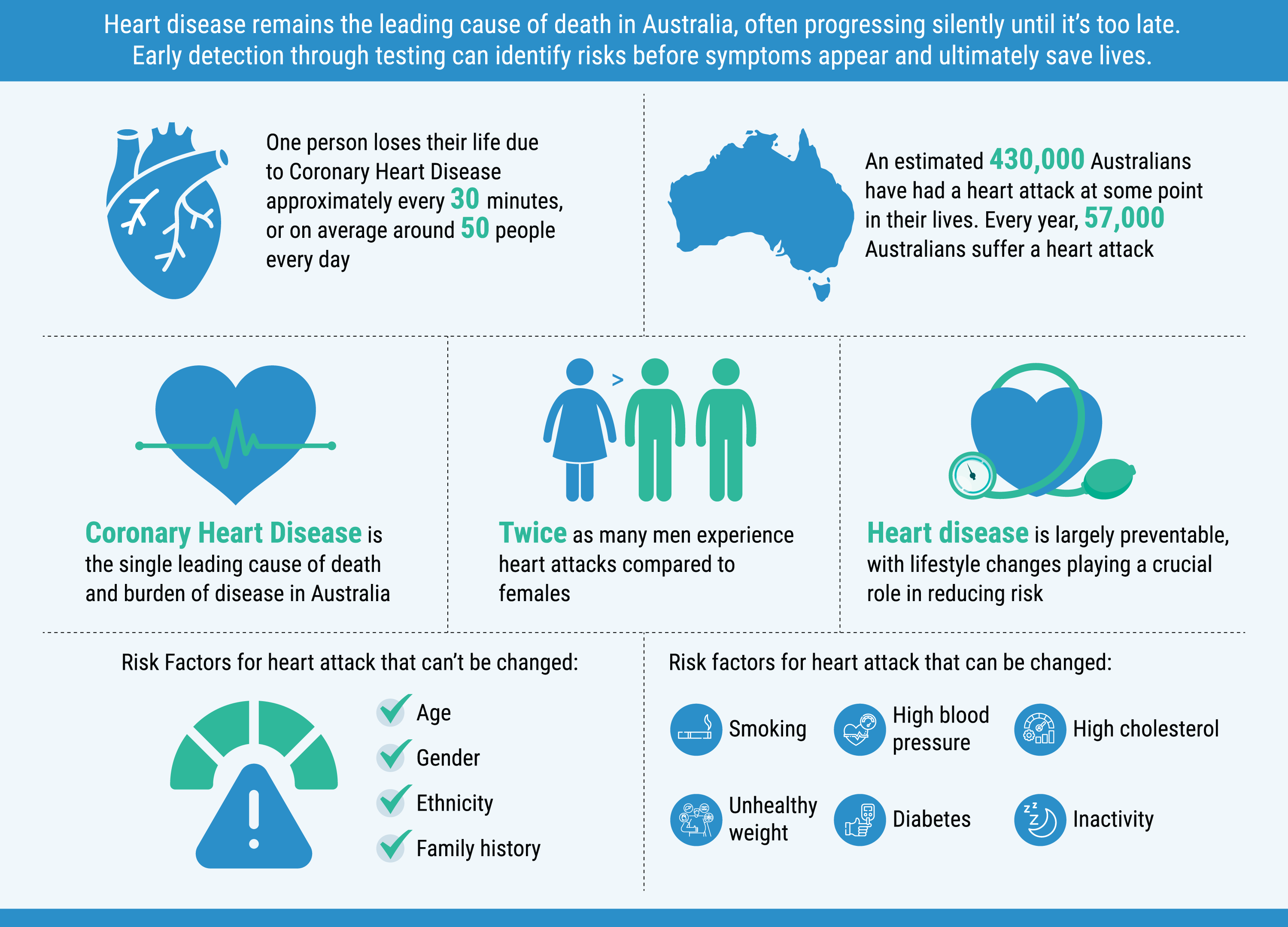
Heart disease is the world's leading cause of death, yet it is often preventable. The key risk factors-uch as high blood pressure, elevated cholesterol, and insulin resistance-develop silently over time - however we do not have to wait until a heart attack occurs.
With early detection through advanced cardiovascular screenings, including cholesterol tests, coronary calcium scores, and inflammatory markers, we can help identify your risk long before any symptoms appear, allowing you to take control through lifestyle changes, medication, or other interventions.

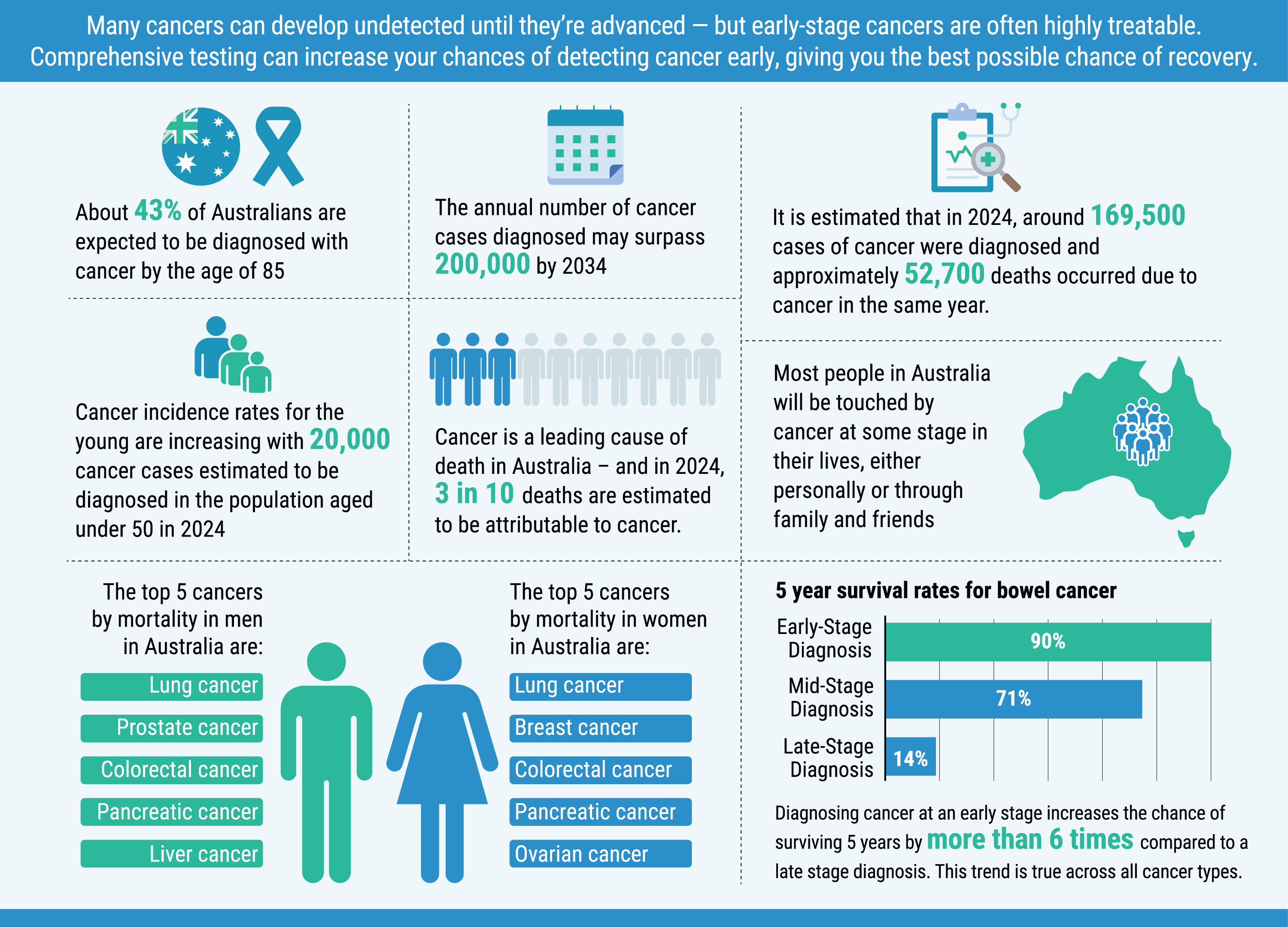
At Test for Life, we focus on early screening for the most common cancers-breast, lung, prostate, and colorectal cancer-using screening methods and advanced blood tests.
Following Dr. Attia's approach, we also consider emerging technologies such as liquid biopsies and genetic testing to assess cancer risk before it develops, offering you the best chance for early intervention and more effective treatment.

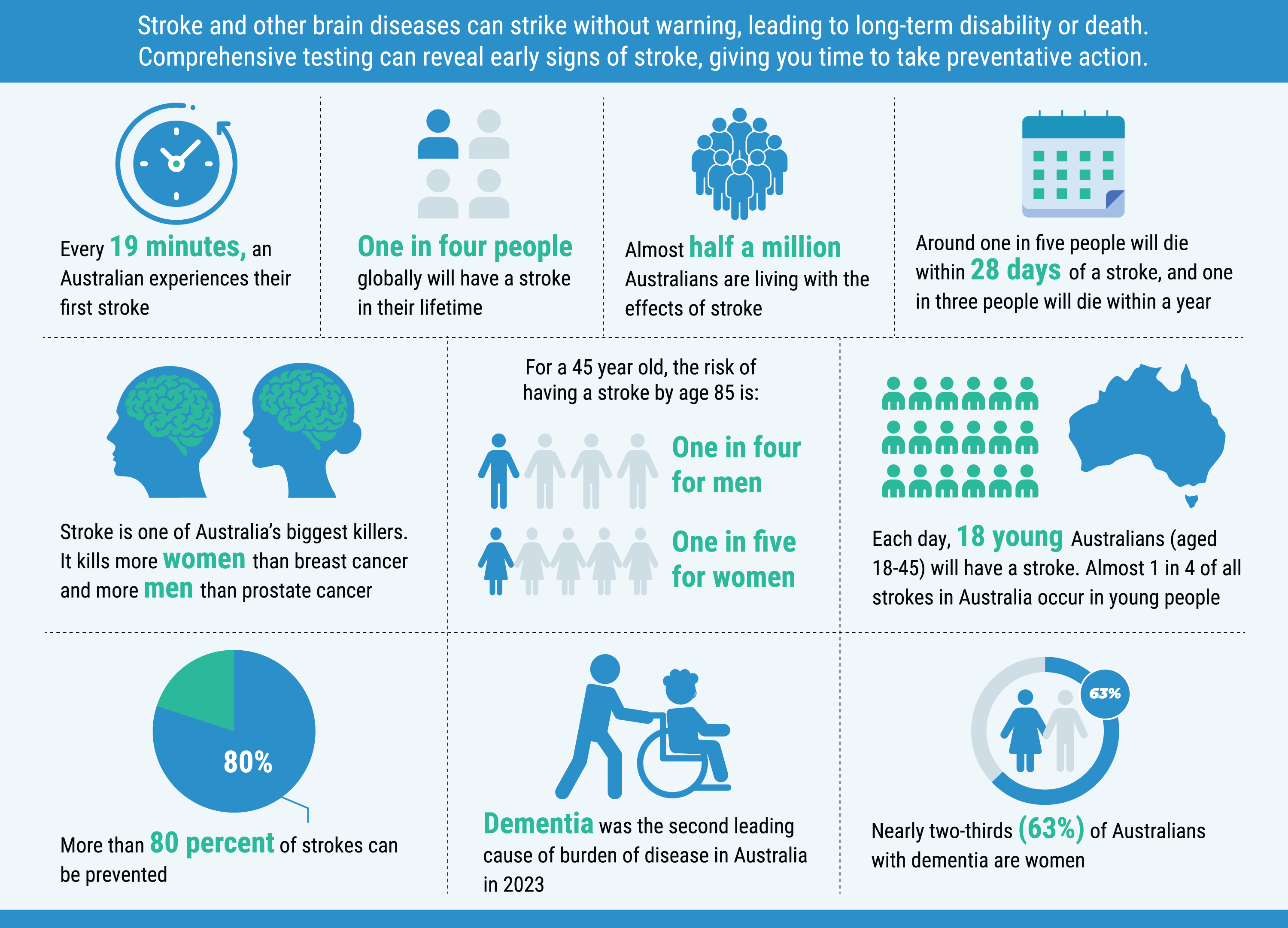
Stroke risk, often driven by high blood pressure, cholesterol, or blood clots, can be reduced significantly with early monitoring. Brain health is equally important to physical health, and through cognitive assessments and screenings for conditions like carotid artery disease, we can help prevent strokes or detect early cognitive decline.
Early intervention may slow the progression of neurodegenerative diseases, providing better outcomes for long-term brain health.
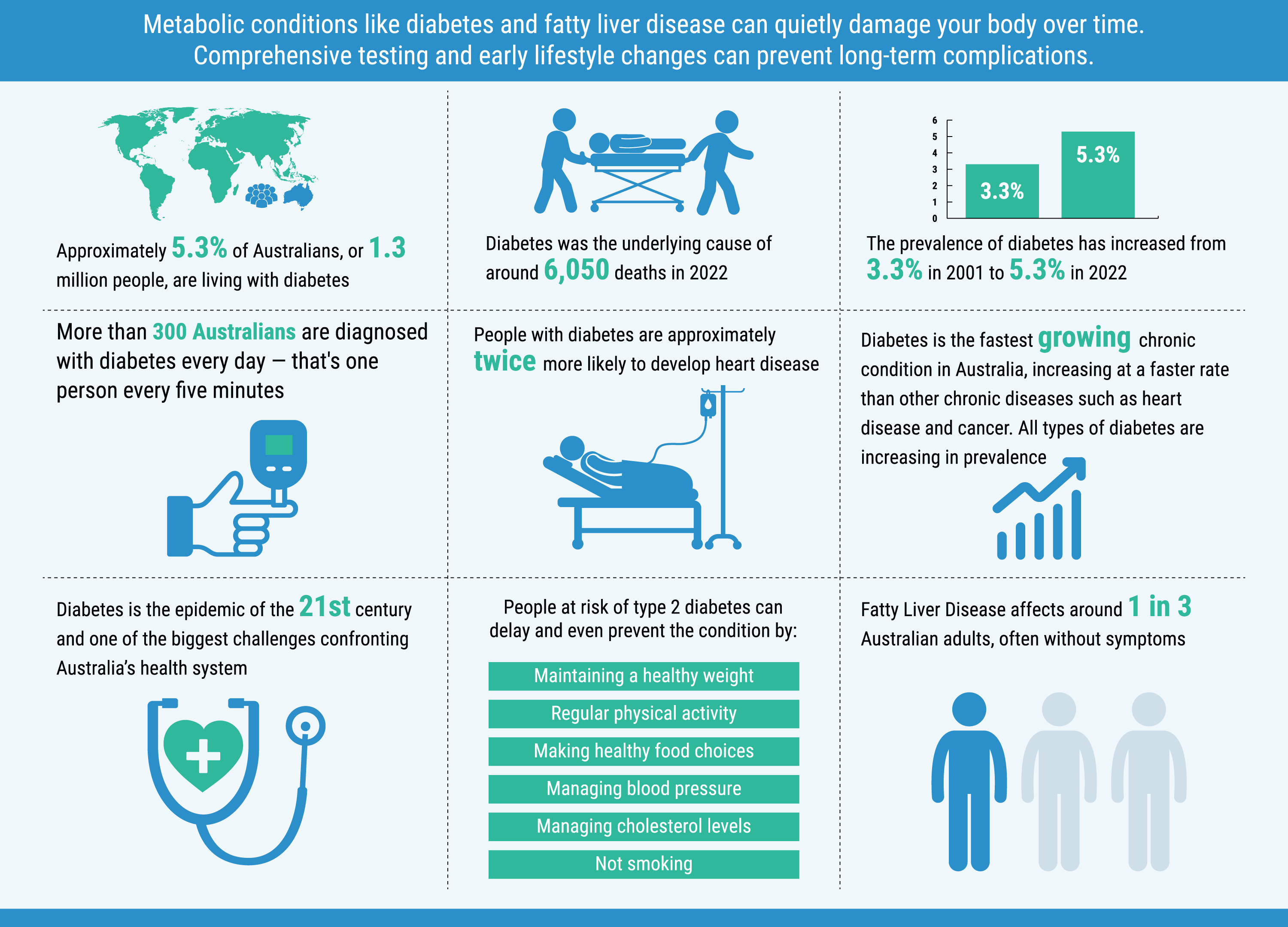
Furthermore, recent studies are suggesting that metabolic dysfunction is at the core of many age-related diseases, including heart disease and cancer. Metabolic disease however does not present as an overnight problem - it is usually caused by prolonged distress at a cellular level, developing over years if not decades.
By tracking key markers like blood sugar levels, insulin sensitivity, and lipid profiles, we can identify the early signs of metabolic issues before they develop into full-blown diabetes or other complications. With the right lifestyle modifications, medications, and ongoing monitoring, metabolic disease can be managed and, in many cases, reversed.