MRI Full Body Scan
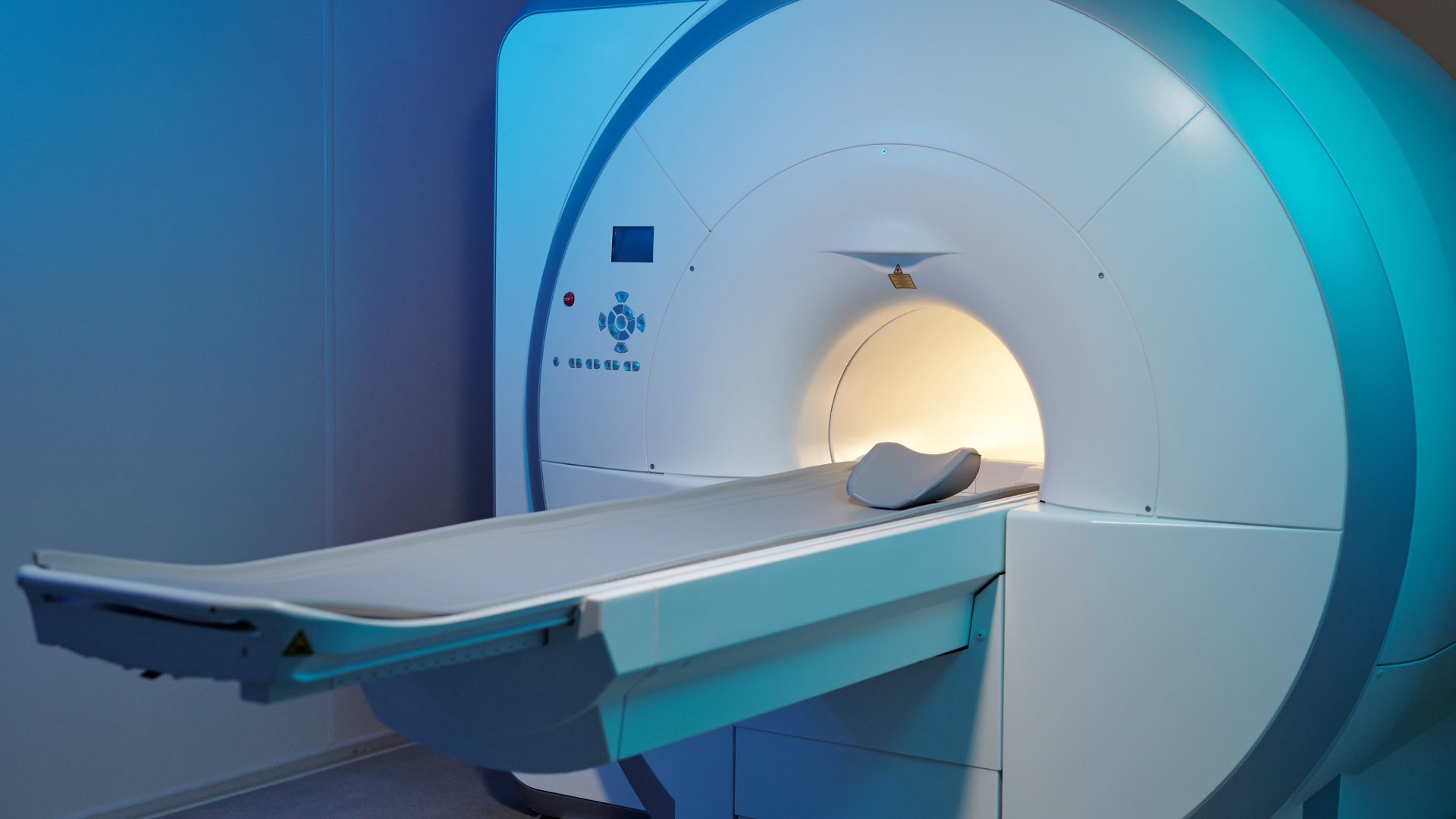
What is an MRI Scan?
Our full body MRI provides a detailed, radiation-free scan of your entire body, detecting early signs of cancer, brain disease, and internal organ abnormalities. Unlike CT scans or X-rays, which use ionizing radiation, MRI uses powerful magnets and radio waves to create detailed images of the body’s internal structures. That makes MRI especially suitable for repeated screening and younger individuals, and it’s generally regarded as the most advanced, non-invasive way to uncover hidden health risks before symptoms appear.
What do MRI Scans detect?
In cancer, MRI can detect tumors in organs such as the brain, spine, liver, pancreas, kidneys, prostate, and reproductive organs, often revealing abnormalities that are invisible on other imaging modalities. It is particularly valuable for identifying cancers in soft tissue and for assessing tumor size, spread, and involvement with surrounding structures. In the context of stroke, while not typically used acutely, brain MRI is the most sensitive test for detecting early ischemic strokes and small vessel disease, and it can identify prior silent strokes that increase future risk. For heart disease, cardiac MRI evaluates heart structure, function, scarring, and inflammation with great accuracy, and can detect early signs of cardiomyopathy or myocarditis. When it comes to metabolic disease, MRI can detect fatty liver (steatosis), visceral fat levels, and changes in the pancreas, kidneys, or muscles associated with insulin resistance and chronic inflammation. Although more expensive and time-intensive than other modalities, full-body MRI offers a comprehensive, whole-person view that can detect early-stage disease before symptoms arise—making it a valuable option in preventative screening for high-risk individuals.
Cardiac MRI
Assesses heart muscle, valves, and scarring; ideal for diagnosing structural heart issues and inflammation.Whole-Body MRI
Scans your body from head to pelvis, helping identify tumours, cysts, or abnormal growths early — especially in soft tissue, spine, and organs. Cancers potentially picked up include brain, head and neck, bone, lung, pancreas, kidneys, prostrate, ovarian, uterine, cervical and lymph nodes.Prostate MRI
Provides superior accuracy in detecting and mapping prostate cancer.Breast MRI
Can detect small or hidden breast cancers not visible on other scans.Liver & Pancreas MRI
Identifies masses, scarring, or structural changes linked to early cancer or disease.Brain MRI
Detects past strokes, brain tumours, inflammation, aneurysms, or neurodegenerative changes (e.g. early signs of dementia).Spine MRI
Can show disc bulges, nerve compression, or spinal abnormalities affecting mobility and brain-body connection.Liver MRI
Highly sensitive in detecting and staging fatty liver disease or fibrosis - often missed on ultrasound alone.Body Composition MRI
Measures visceral fat and muscle mass - giving a clear picture of internal metabolic health.Blood Testing
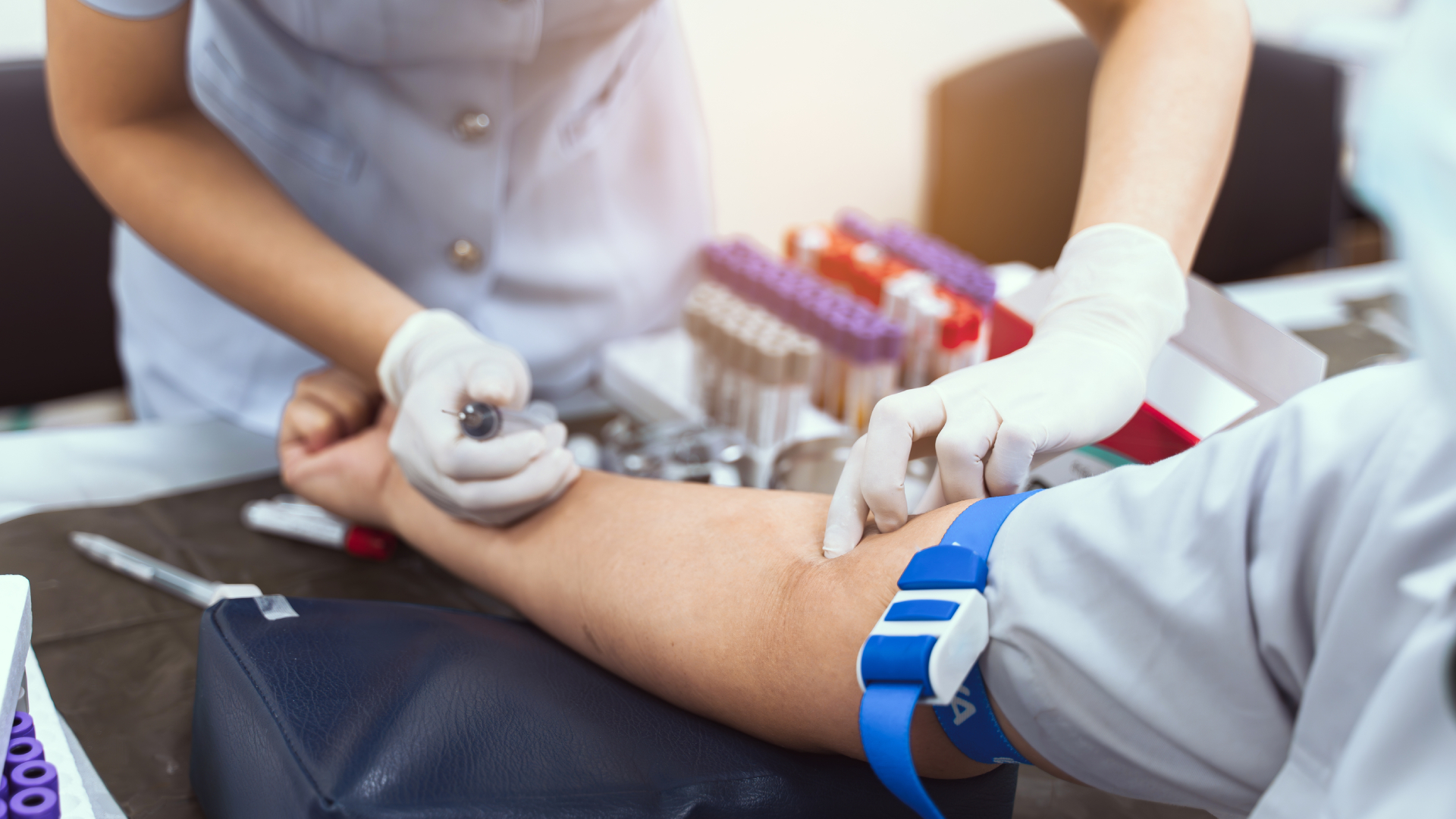
What are blood tests?
Often referred as a window to your health, blood tests are a key part of your Test for Life screening. Professionals will draw blood samples and send for laboratory analysis to help detect hidden signs of disease, monitor how your organs are working, and assess your risk for serious health conditions — often before you feel any symptoms.
What can blood tests detect?
Blood tests detect biomarkers, which are measurable substances found in your body that provide insights into your health. Blood tests are most effective at detecting early warning signs linked to heart and metabolic health - like cholesterol, blood sugar and organ function. For cancer, specific blood markers such as PSA (for prostate), CA125 (for ovarian) can raise suspicion for malignancy, while emerging technologies like multi-cancer early detection (MCED) tests are showing promise for detecting dozens of cancers from a single blood sample. Blood tests are fast, accessible, and powerful for uncovering hidden disease in people who may otherwise feel perfectly healthy, making them a cornerstone of any effective preventative health screening program.
Key HEART Biomarkers
- Homocysteine
- High Sensitivity CRP
- High-density lipoprotein cholesterol (HDL cholesterol)
- Low-density lipoprotein cholesterol (LDL cholesterol)
- Triglycerides
- Total cholesterol
- Non HDL Cholesterol
- Apolipoprotein A1
- Lipoprotein (a)
- Apolipoprotein B (ApoB)
Key CANCER Biomarkers
- Multi cancer blood detection test
- Prostate Specific Antigen (males)
- Cancer Antigen test 125 (females)
Key METABOLIC Biomarkers
- Fasting Insulin
- Fasting Glucose
- HOMA-IR
- HbA1c
Stroke/Other Key Biomarkers Tests
- Full Blood Count
- Liver
- Kidney
- Pancreas
CT Scan
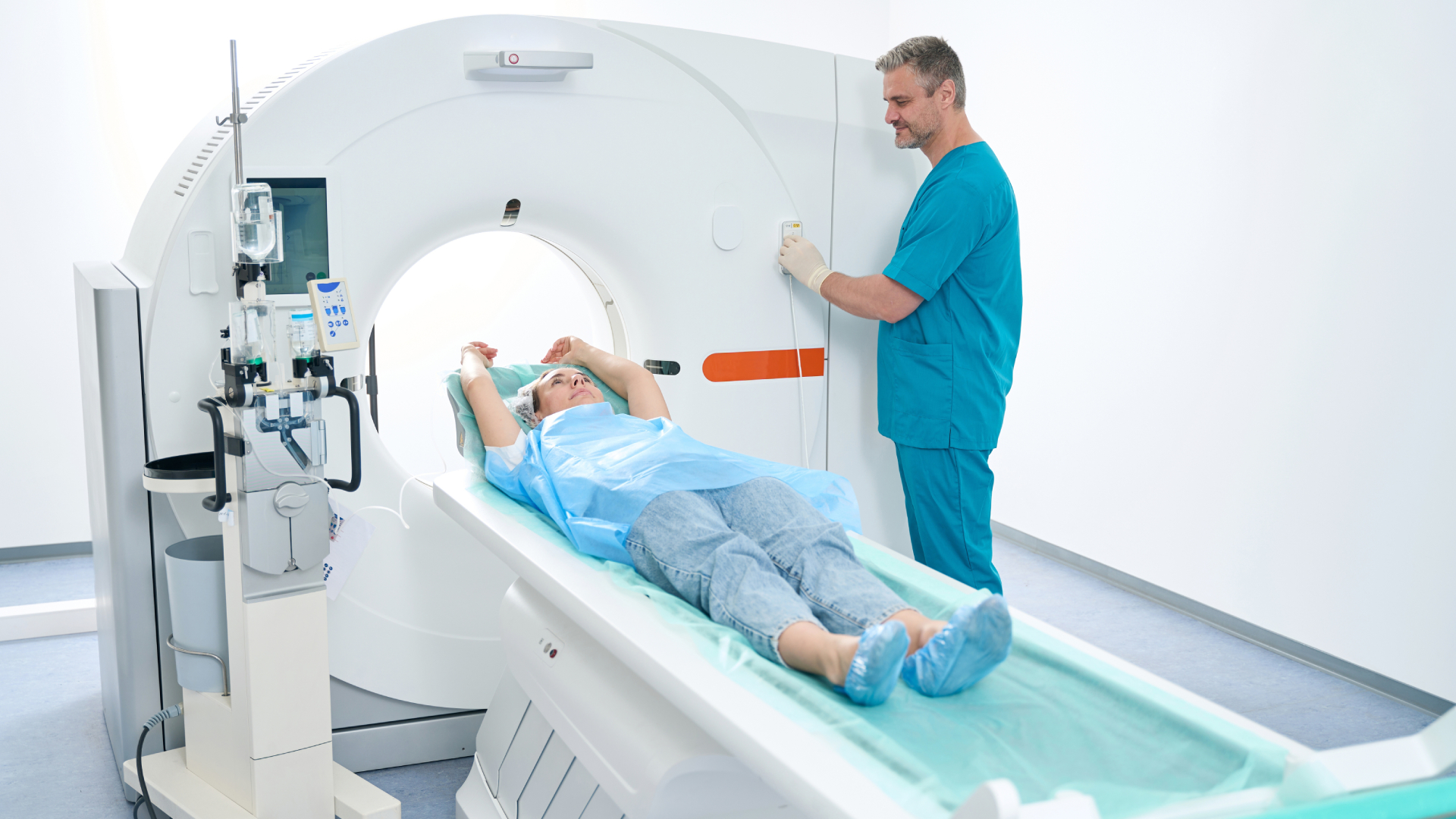
What is a CT Scan?
CT scans offer detailed, high-resolution imaging to detect early signs of cancer, cardiovascular disease, stroke risk, and internal organ issues - ideal for those wanting deeper insights into their health.
What can CT Scans detect?
In cancer, CT is highly effective at detecting tumours in organs like the lungs, liver, kidneys, pancreas, and colon, and is also used to stage and monitor disease progression. For stroke CT angiography and perfusion scans assess blood vessel blockages and brain tissue health. In heart disease, CT is used to perform coronary artery calcium scoring to detect early plaque buildup and CT coronary angiography to identify narrowed or blocked arteries. For metabolic disease, CT can detect organ damage such as fatty liver, quantify visceral fat, and identify complications like kidney stones or pancreatitis. Overall, CT scans provide detailed internal imaging that helps detect disease early, evaluate risk, and guide treatment decisions-making them a vital component of preventative health screening.
Coronary Artery Calcium Score
Measures calcium buildup in heart arteries - a key early marker for heart disease.CT Angiography
Visualises blood vessels to detect blockages or narrowing in arteries supplying the heart and brain.CT Brain
Can detect signs of prior strokes, bleeds, or vessel abnormalities.Low-Dose Chest CT
Screens for lung cancer - especially in current/former smokers or those with family history.Abdominal & Pelvic CT
Identifies suspicious growths in the liver, kidneys, pancreas, bowel, reproductive organs, and lymph nodes.CT Colonography
A non-invasive "virtual colonoscopy" to detect polyps or early bowel cancer.CT Brain
Can reveal prior strokes, mini-strokes (TIAs), tumours, brain shrinkage, or structural changes.CT Angiography (brain vessels)
Detects blockages or aneurysms that increase stroke risk.CT Abdomen & Pelvis
Assesses fat distribution, organ enlargement, and early signs of metabolic complications (e.g. fatty liver, kidney damage, pancreatic changes).Ultrasound
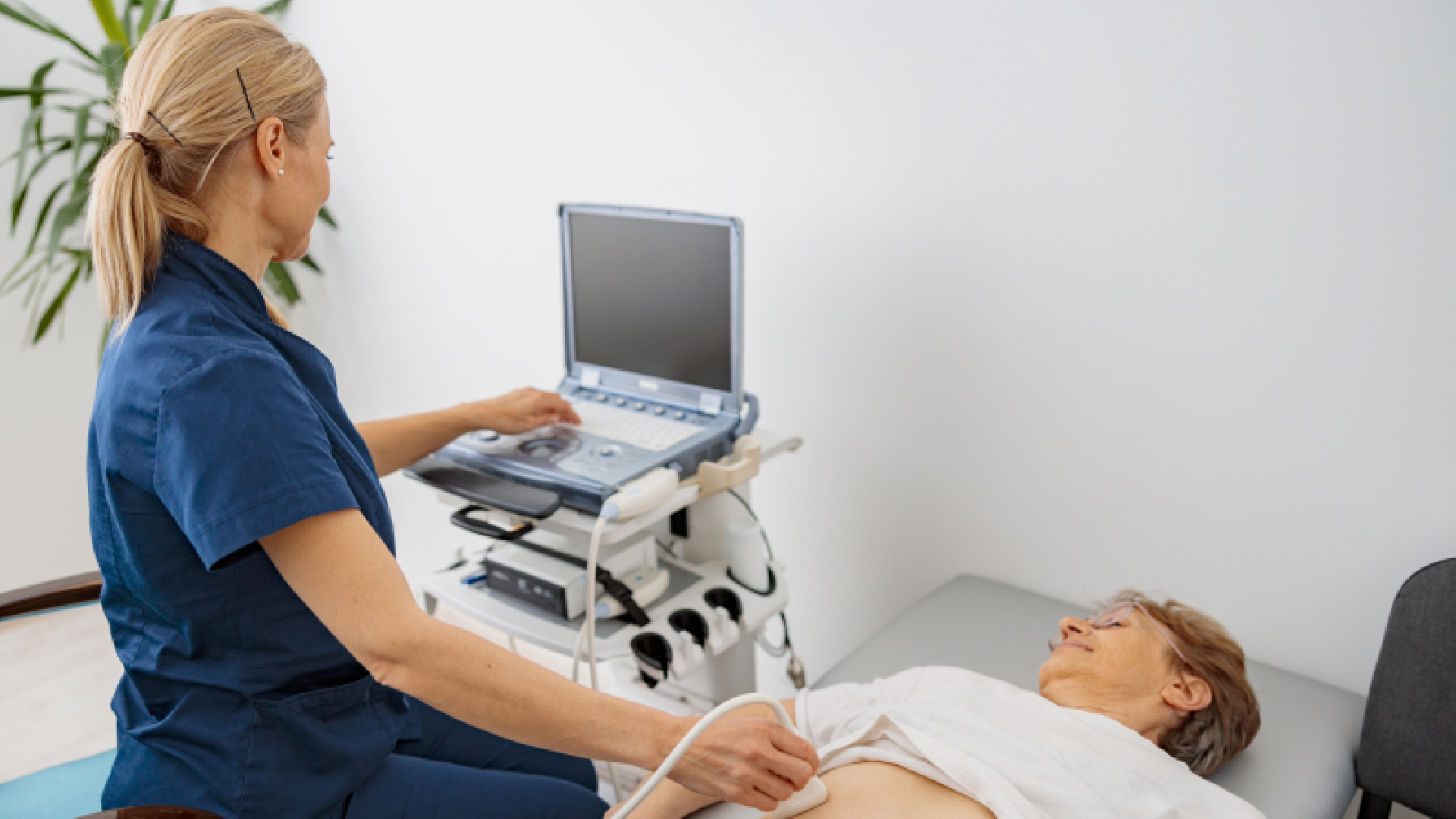
What is ultrasound?
Ultrasound is a non-invasive, radiation-free imaging tool that plays a supporting role in detecting early signs of the Fatal 4 diseases.
What can ultrasound detect?
? In cancer, it's commonly used to detect tumors in organs such as the thyroid, liver, breast, testicles, ovaries, and uterus, and often guides biopsy procedures. For stroke, ultrasound doesn't image the brain directly, but carotid artery Doppler scans can detect narrowing or plaque buildup in the neck arteries-key risk factors for stroke-and echocardiography can identify heart conditions that may cause clots to travel to the brain. In heart disease, ultrasound is essential; echocardiograms evaluate heart function, valve disorders, and structural abnormalities, while vascular ultrasound can assess peripheral artery disease and aneurysms. For metabolic disease, ultrasound helps detect complications such as fatty liver, polycystic ovaries, and kidney damage from diabetes or hypertension. While not as detailed as CT, ultrasound is widely accessible, cost-effective, and ideal for ongoing monitoring and early detection in preventative health care.
Carotid artery ultrasound
Checks for narrowed or blocked arteries that increase stroke and heart attack riskAbdominal aortic ultrasound
Screens for aneurysms (dangerous artery bulges that can rupture).Echocardiogram
Assesses heart structure, valve function, and heart muscle performanceAbdominal ultrasound
Can reveal liver, pancreas, kidney, and gallbladder abnormalities.Pelvic ultrasound
Checks for ovarian, uterine, or prostate abnormalities.Thyroid ultrasound
Identifies nodules or suspicious masses.Testicular/breast ultrasound
Detects lumps or irregularities not visible through physical exams.Carotid artery ultrasound
Can reveal prior strokes, mini-strokes (TIAs), tumours, brain shrinkage, or structural changes.Echocardiogram
Detects clots, valve disease, atrial enlargement or PFO (patent foramen ovale).Echocardiogram
Assesses blood flow in posterior circulation.Liver ultrasound
Detects fatty liver disease, scarring, or enlargement.Kidney ultrasound
Checks for signs of chronic kidney disease, cysts, or blockages.Pancreas and spleen scan
Part of full abdominal ultrasound, reveals inflammation or enlargement.